
Home / Review
BRIGANDINE ABYSS Review
Solid hex tactics buried under punishing scaling and gutted grand strategy.
Contents
BRIGANDINE ABYSS: 37% positive from 275 Steam reviews, 24-hour peak of 4 players, priced at $49.99, SteamGame.ai potential score 31/100 (data as of 2026-11-19). Source: SteamGame.ai (Find the next hit before it hits.)
Pros
- Engaging hex-grid combat built around elevation, elemental counters, and leader takedowns
- Handy additions like the Rally focus-fire command, base upgrades, and shop gear unlocks
- Appealing 2D character portraits, map visuals, and soundtrack across six Story Mode factions and 24 Mission Mode nations
Cons
- Automatic enemy leveling, instant AI respawns, and lopsided attack priority that force repetitive defensive battles
- Trimmed class branches, monster slots, and sandbox conquest options compared to earlier entries
- Clunky PC mouse-and-keyboard menus, thin story presentation, and a steep $49.99 price tag
Six factions vie for control of the continent of Meltitea in BRIGANDINE ABYSS, a fantasy tactical RPG from Adglobe that pairs turn-based territory management with hex-grid monster warfare. On the battlefield, calculating elevation bonuses, elemental counters, and squad-leader takedowns can still deliver rewarding skirmishes, helped along by handy additions like the Rally focus-fire command and base upgrades. Yet a 37% positive rating across 275 Steam reviews reflects how deeply this sequel frustrates series veterans through restricted conquest routes, a trimmed roster of classes and monsters, and relentless automatic enemy scaling that turns expansion into an exhausting defensive grind.
Hexes, Knights, and Rally Commands
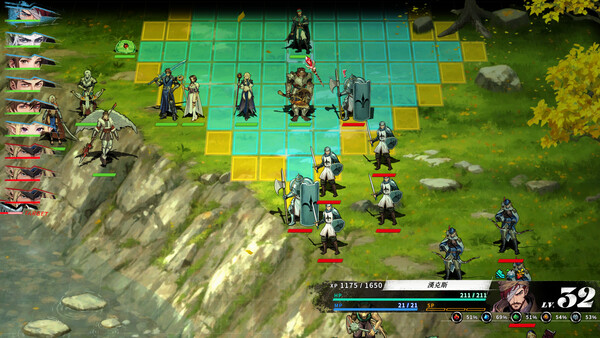
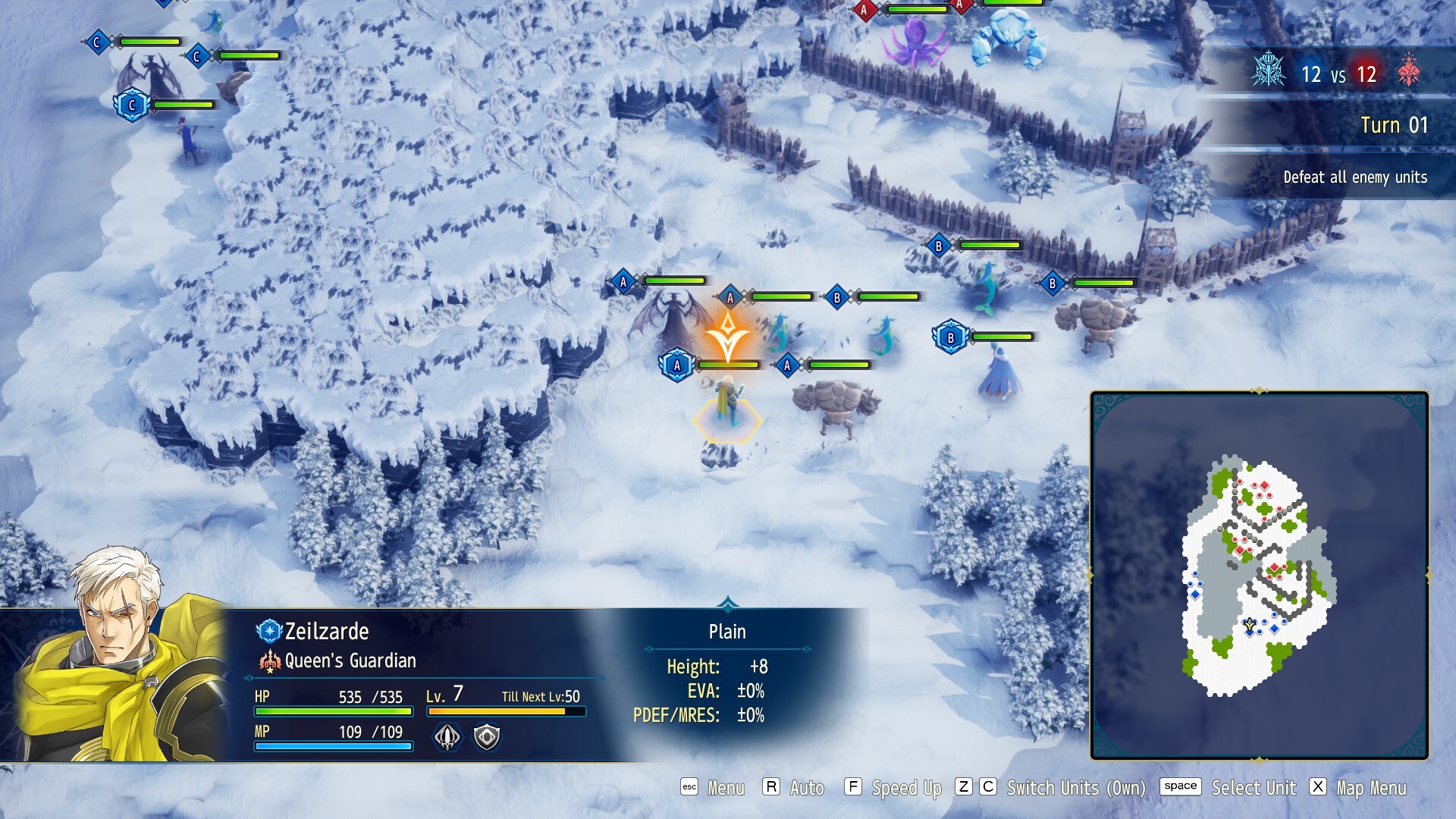
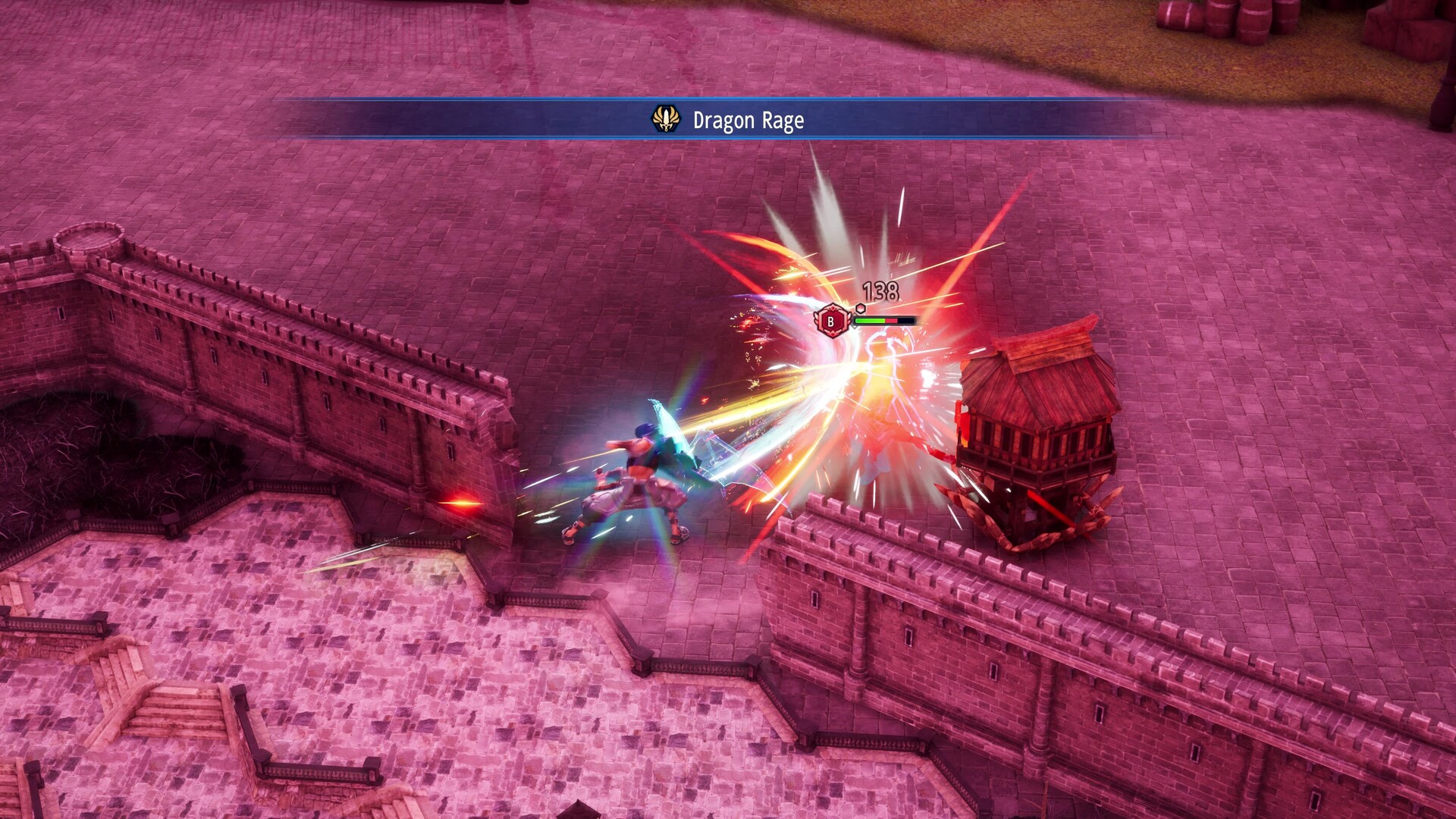
Tactical combat on the hex grid remains the strongest reason to step onto Meltitea. Each turn flows through three phases covering unit organization, declaring attacks on neighboring bases, and resolving invasions. You field up to three squads per battle, each led by a human Rune Knight who budgets a command-point limit to bring up to five fantasy monsters onto the field. Several players praise how terrain elevation, elemental affinities, unit surrounding, and zone-of-control rules reward careful positioning. Removing the old Rune Knight command-radius restriction opens up fresh maneuvers, such as sending flying rocs past frontline blockades to strike unprotected mages and healers in the rear. Knocking out an enemy leader forces their entire monster retinue to retreat immediately, and several reviewers enjoy using the new Rally mechanic to coordinate burst damage on a tough general. Quality-of-life additions like upgrading base buildings and buying equipment in shops once a quest expedition discovers an item also earn approval. For players willing to learn these revised rules through trial and error, the combat loop can sustain long-term replayability across the six-faction Story Mode and 24-nation Mission Mode, including one reviewer who logged 191 hours across five completed runs.
This was one of the blandest, most poorly put together tactical RPGs I have ever played. Somehow, these people had the audacity to list it at $50 instead of the $5 it should actually cost for something this lackluster.
Railroaded Conquest and Relentless Scaling
Step back to the strategic map, and those battlefield improvements collide with rigid campaign structure and punishing AI rules. Many players criticize Story Mode for locking neighboring territories behind scripted plot triggers and dropping a free-form unification or custom sandbox mode, which strips away the open-ended conquest the series is known for. Even more damaging is how the AI grows and attacks. Across the review sample, enemy scaling and attack priority draw the loudest backlash. Enemy factions gain experience automatically every round, promote units to top-tier classes without effort, and resurrect wiped-out leaders and monsters immediately after a defeat. Because the system grants attack priority to the side with higher calculated power, an aggressive neighbor can force you into repeated defensive battles on the exact same border even after you annihilate their invading army. Several veterans describe spending a dozen consecutive turns fending off the same respawning troops while the campaign's 30-cycle timer ticks down, draining any sense of strategic momentum.
Shrunk Rosters and High-Difficulty Stat Walls
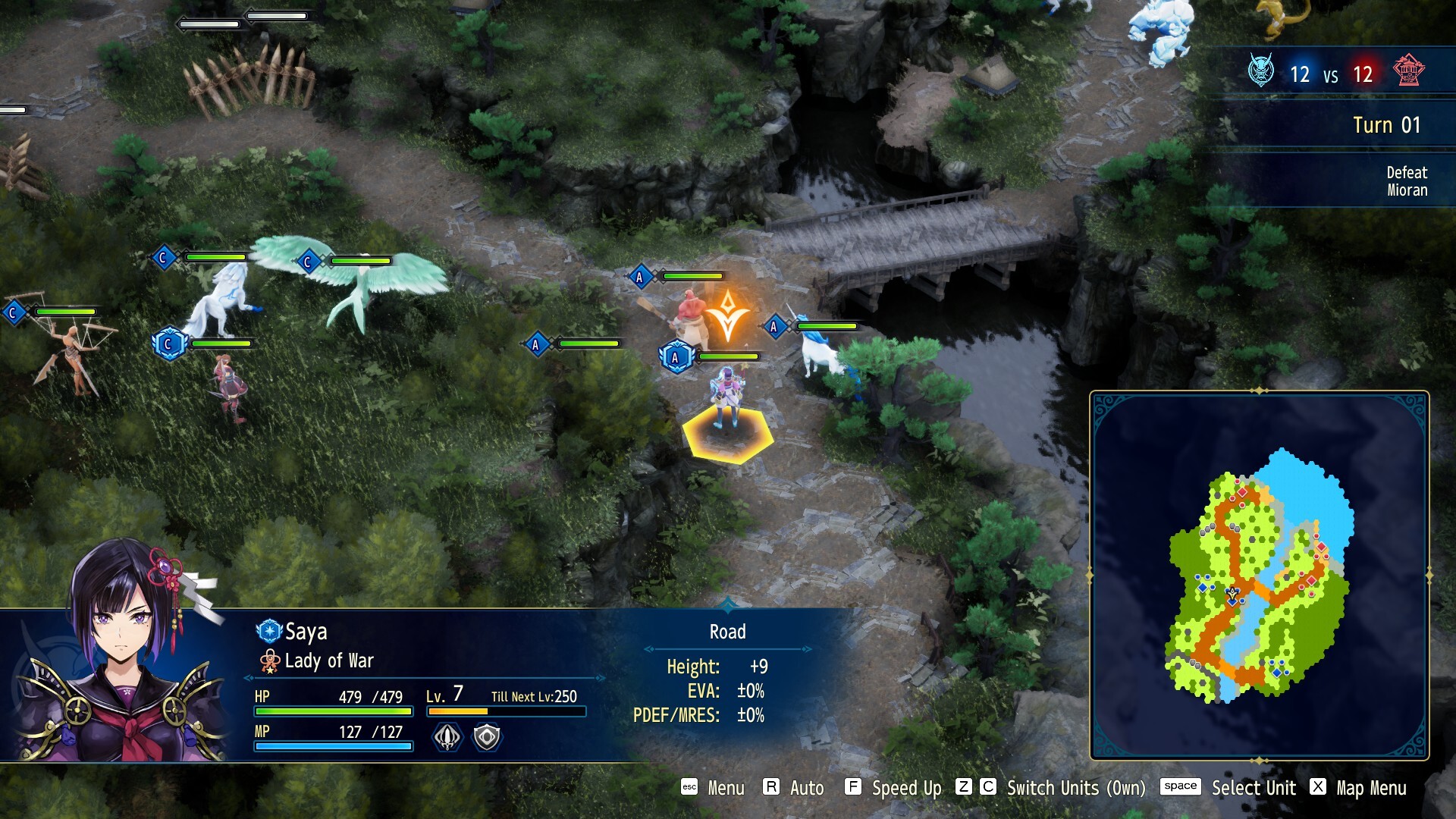
Roster cuts and lopsided difficulty tuning compound that strategic fatigue. Many reviewers point out that each faction starts with only one castle, squad capacity has shrunk from six monsters to five, and class customization has been pared back with no multiclassing and fewer unique character models on the field. On Hard difficulty, several players report that the AI receives steep stat, hit-rate, and evasion boosts while physical attacks from your own units frequently miss at 60% to 80% displayed odds. Because the computer moves its entire army in sequence during its turn, enemy squads can chain attacks and step aside to focus-fire one of your Rune Knights from full health to zero before you get a chance to heal or retreat. That pressure narrows late-game tactics into stacking high-defense tanks in front of guaranteed-hit magic casters, or exploiting zone-of-control bypasses to rush objectives. The tuning issues peak at the final boss, where multiple reports highlight an unannounced second form with 7,000 HP and five-tile area attacks that locks you into a back-to-back fight without any option to retreat and rebuild, though a couple of reviewers note the boss turns into a harmless punching bag if you bring specific units to drain its mana pool.
Clunky Menus and Uneven Presentation
Routine army management and audiovisual presentation also leave a rough impression on PC. Several players complain about floaty mouse controls, unremappable one-handed keyboard bindings, and fragmented menus that split recruiting, squad organization, and class promotions across separate screens. Visuals and storytelling draw divided feedback across the community. Several reviewers compliment the soundtrack, map atmosphere, expressive 2D character portraits, and 2D CG battle cut-ins, yet many others pan the flat revenge plots, sparse voice acting, generic 3D battlefield models for major leaders, and stiff 2D animated cutscenes. Technical stability adds one more caveat, as two reviewers report fatal error crashes or startup issues that interrupted their sessions.
开发组自己不玩一下嘛?鼠标操作都飘成啥样了?这么久了也不优化?不想给PC就别卖,
All of these cut corners make the $49.99 price tag a major sticking point in player feedback. Many negative reviews argue that the reduced roster scale, simplified grand strategy, and low-budget cutscene presentation feel closer to a budget spin-off than a full-priced tactical epic. Even among the supportive players who enjoy the reworked hex combat and Mission Mode challenges, waiting for a deep discount is a common recommendation for anyone curious about the new mechanics.
This review is based on 70 Steam player reviews and store data. See all reviews on Steam →
Quick answers
How long does a single Story Mode campaign take, and does progress carry over into New Game Plus?
Based on several post-launch reviews, a single Story Mode run lasts 30 in-game cycles and takes roughly 16 to 40 hours to finish depending on the difficulty level. One reviewer notes there is no post-game content after the final boss, and another confirms there is no New Game Plus inheritance when starting a second nation, though Mission Mode offers separate objectives for 24 factions.
How do monster evolutions and unit leveling work compared to earlier games in the series?
Several players report that unit progression is much more streamlined and linear. According to one reviewer, dragons are the only monsters with branching evolution choices (offering three paths), whereas every other monster follows a single linear upgrade line. Another player notes that active skills level up through repeated use in combat, and a third points out that post-battle bonus experience scales from 200 early on up to 1,500 later in a campaign.
By the NumbersUpdated 2026-11-19. Data updates on a daily schedule.
- Potential score
- 31 list metric, not a quality score
- Positive (all languages)
- 37% Mostly Negative
- Total reviews (all languages)
- 275
- New reviews/day (7d)
- 0
- Peak players (24h)
- 4
- Price
- $49.99
- Release date
- Aug 26, 2026
- Developer
- Adglobe
- Publisher
- NIS America, Inc., Happinet
- Est. sales
- 8,250~16.5K rough estimate from review count
Source: public Steam store pages and player reviews. Review counts, positive share and daily new reviews cover all languages; the player peak is the highest count in the last 24 hours; estimated sales are a rough estimate based on review count, for reference only. Updated 2026-11-19; data updates on a daily schedule. Methodology
Daily New Reviews (all languages)
Is interest rising or fading?
Developer View
- Developer
- Adglobe
- Publisher
- NIS America, Inc., Happinet
- Developer's games on Steam
- 4 incl. this one; matched by developer name, may be off
- Early Access
- No
The store page has no AI-generated content disclosure.
More reviews

Forsworn Review

Deified Review