

Why @froessell Builds Phone Games With Claude in Godot
Learn why game developer @froessell moved new iPhone projects from Unity to Godot when coding with Claude, and how command-line test harnesses, plain-text levels, and one-command phone builds fit an agent workflow.
The Godot Sponsorship Debate and Two iPhone Games
According to @froessell, on Nov 17 the Godot Foundation announced the AI agent company Manus as a Platinum sponsor, and the announcement post on X passed 95,000 views. @froessell writes that the reply thread turned into an argument because Godot's contribution policy from June bars code from AI tools inside the engine itself, prompting commenters to debate whether accepting sponsorship funds from an AI company fits that policy.[1]
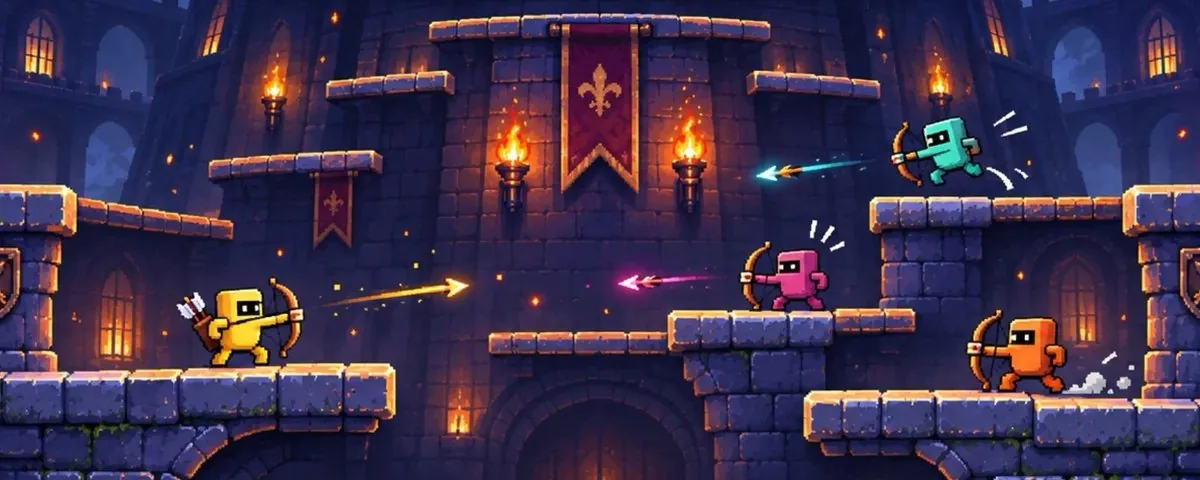
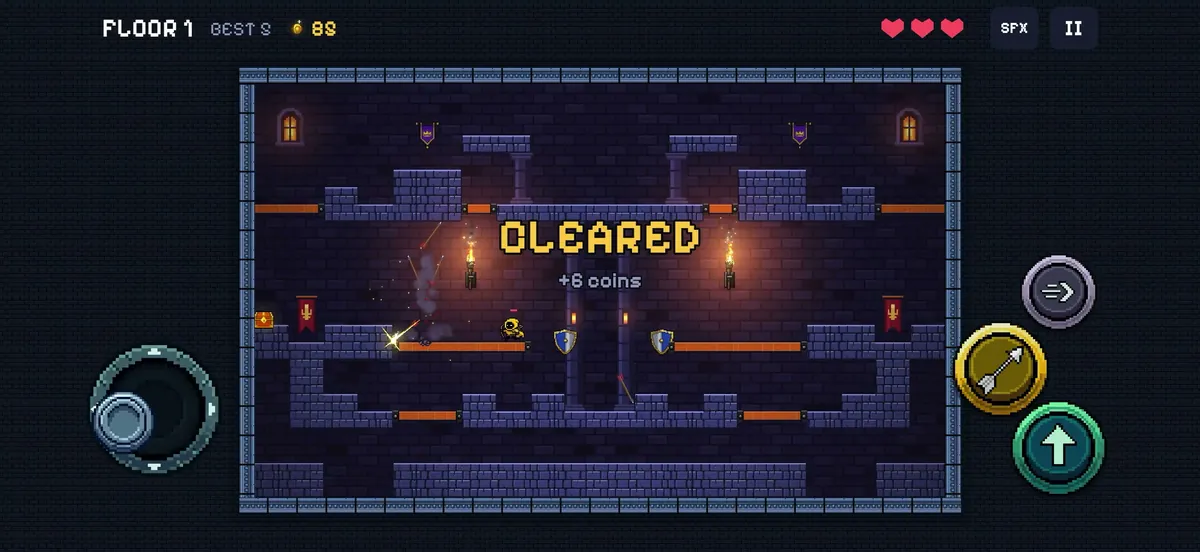
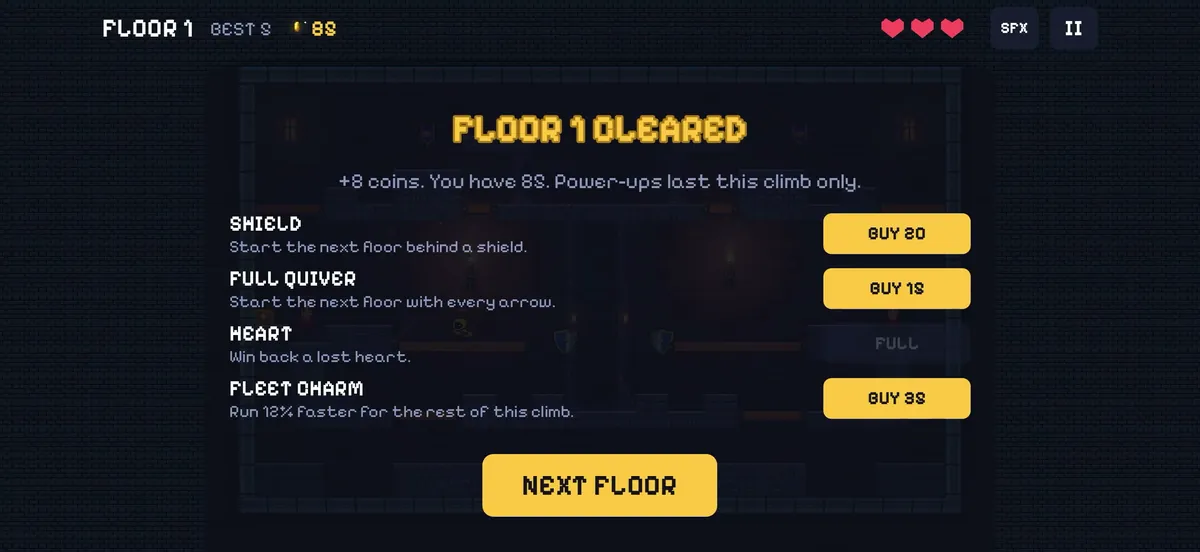
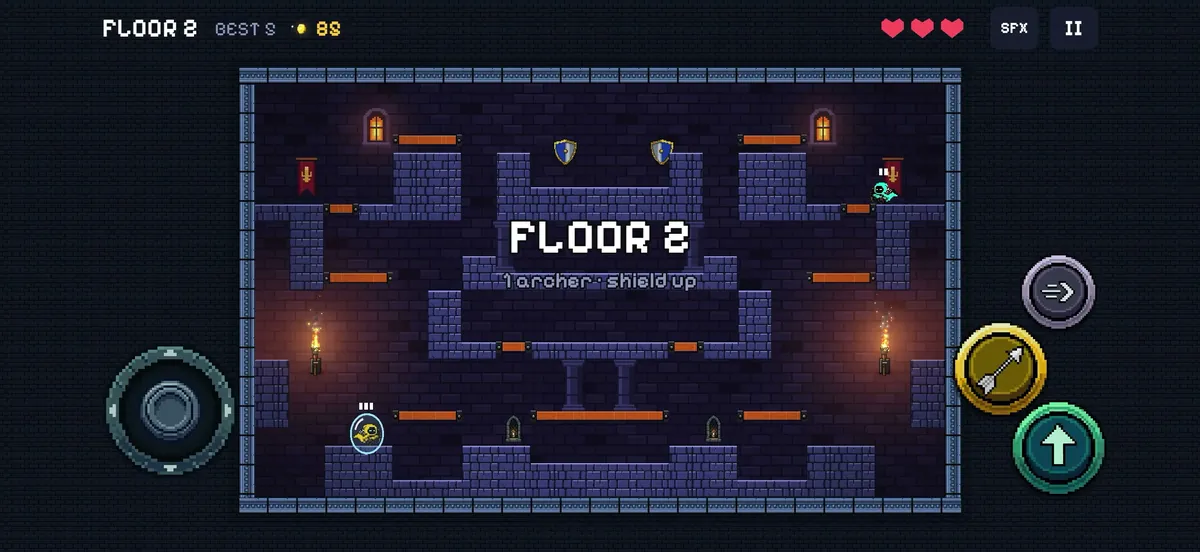
Approaching that debate as a creator who uses both Godot and Unity while writing code in neither engine, @froessell makes iPhone games with Claude writing the code. According to @froessell, the swipe-maze puzzle game Last Ember has been on the App Store since Nov 11, while the pixel-art archery game Quiver Spire went to App Review on Nov 12 and remained in review at the time of the post. @froessell also has Unity projects, including Drift Lane, Monster Mash, and a paused game called Mowtopia.[1]
Why @froessell Picked Godot Over Unity and Unreal
According to @froessell, the author knows neither Unity nor Godot, lets Claude write the code in both engines, and evaluates builds by playing them on an iPhone and asking for adjustments. @froessell says the engine choice comes down to how fast and light the daily loop feels on a MacBook. In the author's experience, Unity felt slow and consumed a large share of disk space, and testing Mowtopia meant choosing between the Unity editor, where controls felt off, and the phone, where every test required exporting a new build. By comparison, @froessell says Godot felt nimble and used far less hard drive space.[1]
Both Godot projects started outside the engine, according to @froessell. Last Ember grew out of a 2D swipe retro maze template @froessell saw on Fab, the Unreal marketplace, where using Unreal for a small 2D puzzle game felt to the author like taking a Ferrari to go grocery shopping. Quiver Spire started one night as a browser game @froessell created with one prompt in the Claude phone app, and the author ported it to Godot the same day after deciding the prototype was fun enough to keep and wanting to avoid Unity.[1]
What the Agent Built in Last Ember and Quiver Spire
@froessell claims that Last Ember went from prototype to the App Store in three days and that Fable 5.2 built the project. According to @froessell, on the first day the agent produced swipe-to-dash movement, 120 generated levels across four worlds, and distinct visuals for each world. On the second day, @froessell says it added the story, the first iPhone build, the in-app purchase, and the App Store listing before submitting the app, with all pixel art and sound effects generated in code and no third-party assets.[1]
For Quiver Spire, @froessell claims the game reached App Review in two days after Claude ported the browser prototype to Godot, which the author believes also used Fable 5.2. According to @froessell, the author specified the desired visual effects, and the agent converted those effects from code into sprite sheets and added them to the Godot project, leaving the Sprite Fusion artwork as the only area that needed real back-and-forth iteration.[1]
Four Agent Workflows That Worked in Godot
@froessell highlights four practices that emerged across the two projects, some requested by the author and some set up by Claude on its own. First, @froessell says both games run from the command line. Last Ember has a test harness that loads a level, runs a sequence of moves, and captures screenshots used both for the App Store listing and for checking fixes before a build ships. In Quiver Spire, @froessell notes that screenshots also come directly from the game through flags for autoplay, the floor, and the shot while Godot opens in the background.[1]
Second, @froessell keeps levels in plain text files that scripts inspect. According to the author, Last Ember's 120 levels are written as ASCII mazes and scored by a script against a target route length for each slot, while a second script converts the text files into Godot scenes and a third script solves all 120 levels to verify that every stage can be finished without manual playthroughs. Third, @froessell separates game rules from rendering in Quiver Spire by placing tuning, seeded randomness, the arena generator, combat, and rival AI in a folder with no drawing code, then running a test that checks those rules against recordings of the original web version.[1]
Fourth, @froessell uses single-command scripts for device testing and store delivery. According to @froessell, both games include one script that installs a development build onto a plugged-in iPhone and another script that exports, signs, and uploads a build to App Store Connect, allowing the author to judge on the phone within a few hours whether a prototype is fun.[1]
Phone Bugs, Where Unity Still Fits, and the Author's Checklist
Working in Godot still produced three issues that @froessell had to resolve. On the phone, @froessell found that Quiver Spire's unlock card appeared empty after a purchase because StoreKit replies on its own thread and Godot does not add nodes off the main thread, which was fixed by deferring the purchase response to the main thread. A second phone issue cropped Quiver Spire's single-image title screen, for which @froessell had used ChatGPT to create the artwork, so the screen was rebuilt in separate layers with the logo and PRESS START placed inside the phone's safe area. The third issue came from updating to a newer Godot editor, which @froessell says reset Last Ember's export settings and dropped the iOS team, bundle ID, and icon until the iOS settings were restored, leaving the web export out of that project.[1]
@froessell still keeps Drift Lane and Monster Mash in Unity because work on them started before the author tried Godot, and the author notes an appreciation for Unity's visual effects and Asset Store systems such as the Corgi Engine and the Topdown Engine. For developers adopting an agent workflow, @froessell recommends picking the engine that tests fastest on the target device, asking the agent early to make the game runnable from the command line for screenshots and self-checks, storing levels and rules in plain files for script verification, testing purchases and title screens on a real phone before submission, and checking export settings after editor updates. On the App Store, @froessell offers World 1 of Last Ember for free with a single in-app purchase to unlock Worlds 2 to 4, structures Quiver Spire with the first five floors free and one purchase for the full climb, and runs no ads in either game.[1]
Based on the public X posts listed below, indexed 2026-11-21. Figures about the game are the author's own; the screenshots are frames from the author's video on X.
Sources
- @froessell · 2026-11-20Xindexed 2026-11-21