

Build a small Godot game with Claude Code
Set up one project folder that Godot and Claude Code both work in, add features a pass at a time, and export a build you can play. The guide names the points where the work tends to stall and closes with small games that shipped this way.
Set up Godot and Claude Code in one folder
The Godot documentation's Your first 2D game series builds Dodge the Creeps, a game where the player moves to avoid enemies for as long as possible, and covers creating the player scene, spawning enemies and counting score. The project setup lesson keeps three scenes named Player, Mob and HUD in the project root and, for a portrait layout, sets Viewport Width to 480 and Viewport Height to 720 in the project settings.[12, 13]
The Claude Code quickstart installs the CLI from a terminal with the native installer for macOS, Linux or WSL, then asks for a new terminal window and a version check so a working install prints a number. The docs note that the install command shows no progress while it downloads.[14]
curl -fsSL https://claude.ai/install.sh | bashA session starts inside the project directory, so Claude Code reads the files it needs without manual context loading. On first use the tool asks you to log in through the browser, and the quickstart points to the help command for the list of available commands and to Shift+Tab for switching permission modes mid-session.[14]
claudeX user @amitmuflis writes that Godot 4.7.2 shipped on 18 August 2026, is free and MIT licensed, needs no installer and runs straight out of the downloaded archive. The same post describes Claude Code, citing Anthropic's docs, as reading the codebase, editing files and running commands.[11]
X user @k1KCgGijd882347 says the only instruction given was a request to make a sudoku game, after which the tool installed Godot when it was missing and corrected node path errors on its own. The author adds that board generation started in Python and was later ported to GDScript, and counts the fixes as self-repair rather than planned steps.[6]
Build one feature per pass
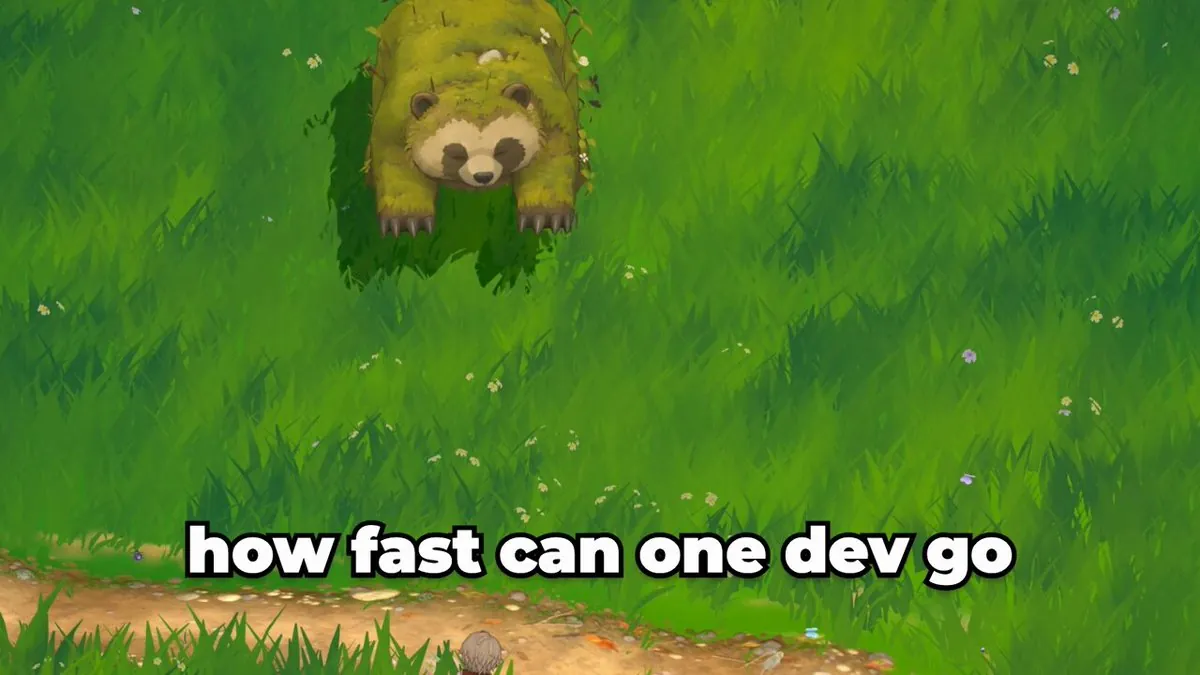
X user @afterthewinddev describes five weeks of work on After the Wind, a project the author sums up as Monster Hunter meets Ragnarok Online. Each feature starts as an idea, gets researched and built with Claude Code and Codex, then is judged inside the running game and iterated, which the author calls the most fun gamedev has been.[4]
Plan mode keeps changes off disk until you approve them. The Claude Code docs describe it as reading files and proposing a plan with no edits, activated from the terminal, with the status bar showing plan mode on while it is active and Shift+Tab as the in-session toggle.[15]
claude --permission-mode planParallel sessions run in separate git worktrees, each a checkout on its own branch, so edits from two terminals do not collide. The docs require at least one commit in the repository before a worktree can be created from it.[15]
claude --worktree feature-authLong tasks resume instead of being explained again: the docs say every conversation is saved locally and the continue command reopens the most recent one in the current directory, printing a short message and exiting when there is nothing to reopen.[15]
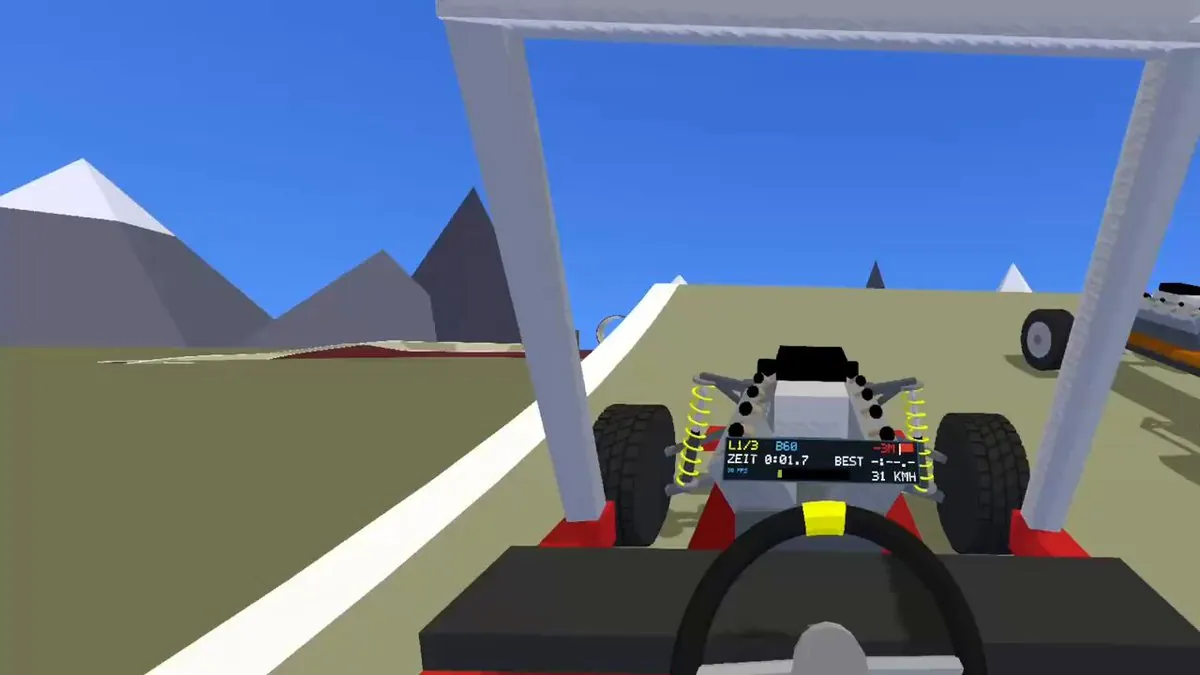
claude --continueX user @tachy_ rebuilt Stunt Car Racer in dialogue with Claude Code Opus 5.5 and Godot 4 using GDScript, without opening the Godot editor. The author reports that the first prototype stood in an hour, and that the road to a first release ran longer than that prototype.[5]
Where the work gets stuck
X user @HardwoodLogic asked a model called Astra to port a game built over months with Claude Code and Codex from threejs to Godot. The author says the port could not reproduce the hundreds of microdecisions and small touches added along the way, even with all the source code and assets supplied.[10]
X user @dranben spent a couple of days with Opus 4.8 trying to get a shadow shader written and did not get the result wanted. The author notes the technique has been done by others many times and that the new part in this case was creating the height map inside the editor.[9]
X user @pburghdoom built a kitchen rhythm game in Godot where chopping, whisking béarnaise and a six burner sauté line are timed to the beat, and names the write-movie option as the thing that made leaving the game alone work. The author counts ten sprints in a single day on that project.[2]
--write-movieX user @1DigitalC writes that Epic's AI MegaJam ran Nov 12 to 15, four days to make a game with AI, and that jams are good at showing how fast something can be made. The author also lists what four days will not teach, and mentions deleting the first version of the game on day 1, July 27.[8]
Export something playable
Godot's export menu opens empty until an export preset exists, so the flow starts with the Add button and a platform choice from the drop-down list. Export templates have to be installed first, and the documentation points to the template manager in the editor for selecting a platform and installing it, with an option to load templates from a TPZ file.[16]
Editor > Manage Export Templates...Command line exports still need a preset and a working template, and the output path is relative to the project path rather than the directory the command was run from. The docs keep most export settings in export_presets.cfg, which is safe to commit, while credentials such as passwords and encryption keys live in a separate file under the project's godot folder that should not be shared.[16]
godot --export-release "Windows Desktop" some_name.exeThe export buttons split into Export All, Export Project and Export PCK/ZIP, where the last one writes only the project data with no Godot executable. For resource selection the docs list five modes, including exporting everything, exporting selected scenes, and exporting everything except the resources checked in a list.[16]
Small games that shipped
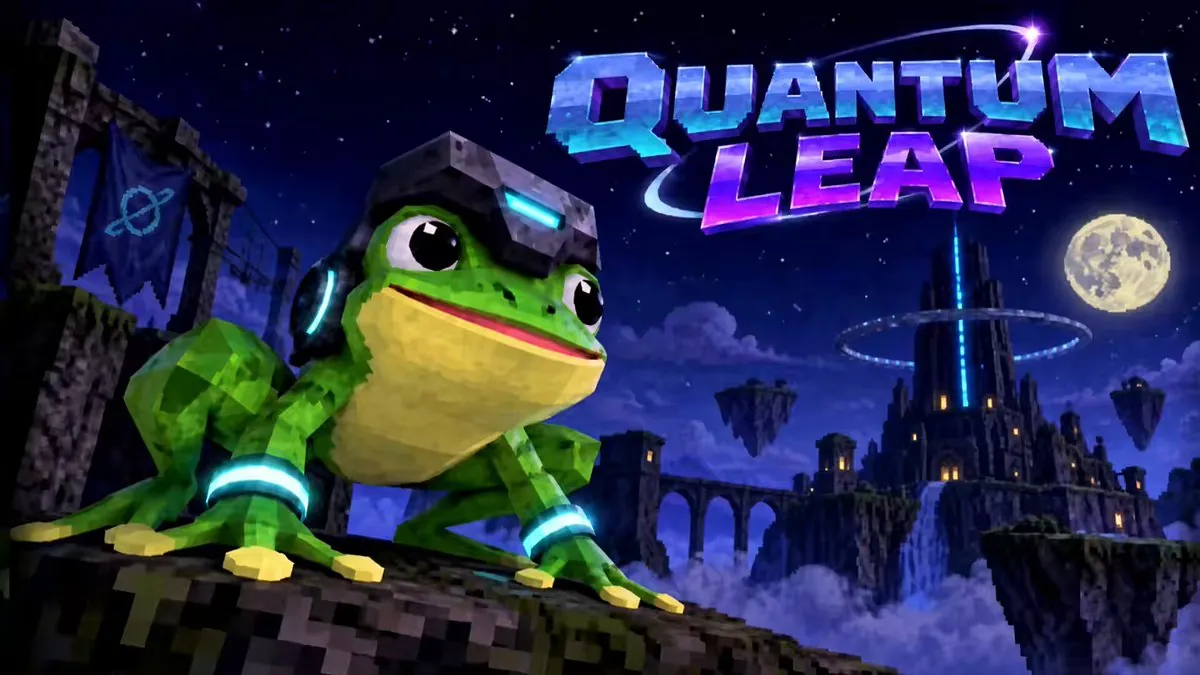
X user @VistaLargaGames released Quantum Leap as an experiment made entirely by vibe coding, stating that the author is not a programmer and that two earlier games, Trouble in Paradise and NovaSaurs, were built in Unity with Playmaker.[1]
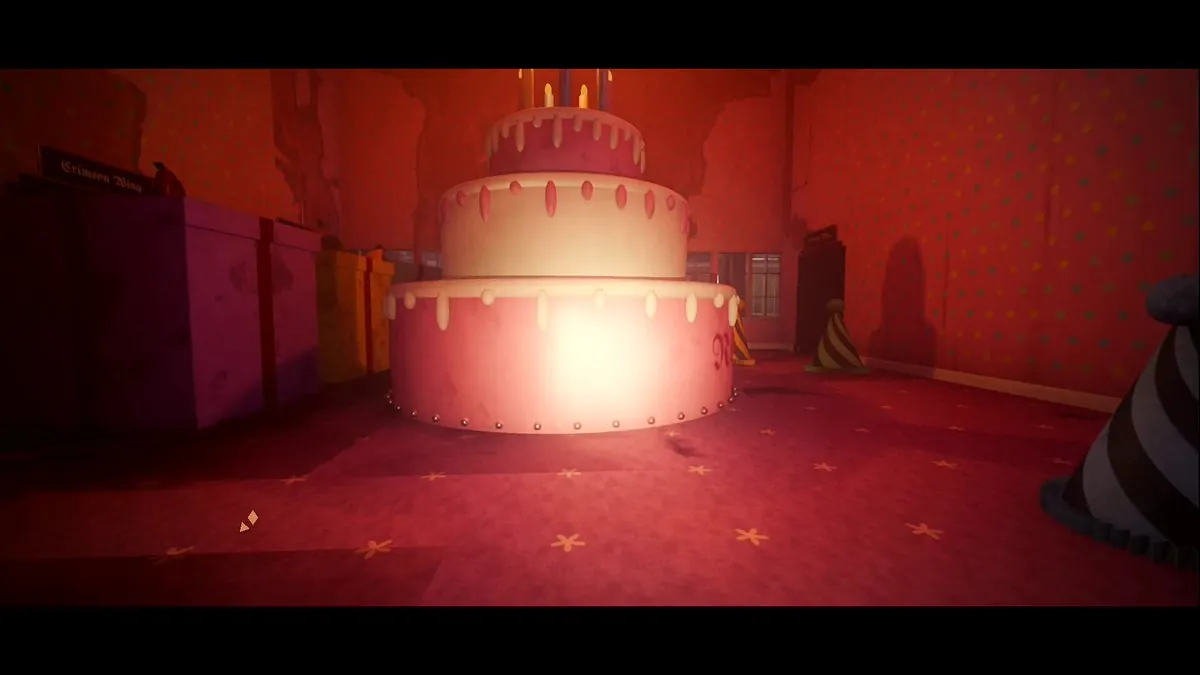
X user @korrocorp released Nowhere House, a free first-person horror game built with Claude Code, where the character walks on the ceiling and attacks only when the player looks away.[3]
X user @RUSuper posted a mini trailer for the prologue of Nightshoal, a 1920s fishing game, with code from Claude Opus 5.5 in Claude Code, 3D animals from Tripo, and sound and music from ElevenLabs, running in Godot.[7]
Developers' methods are paraphrased from their public posts on X and credited to each author; setup steps follow the official documentation. Indexed 2026-11-14. Interfaces may have changed since; the official documentation takes precedence.
Sources
- @VistaLargaGames · 2026-11-11Xindexed 2026-11-14
- @pburghdoom · 2026-11-11Xindexed 2026-11-14
- @korrocorp · 2026-11-13Xindexed 2026-11-14
- @afterthewinddev · 2026-10-20Xindexed 2026-11-14
- @tachy_ · 2026-10-12Xindexed 2026-11-14
- @k1KCgGijd882347 · 2026-07-01Xindexed 2026-11-14
- @RUSuper · 2026-10-07Xindexed 2026-11-14
- @1DigitalC · 2026-10-30Xindexed 2026-11-14
- @dranben · 2026-07-01Xindexed 2026-11-14
- @HardwoodLogic · 2026-09-25Xindexed 2026-11-14
- @amitmuflis · 2026-11-06Xindexed 2026-11-14
- docs.godotengine.org/en/stable/getting_started/first_2d_game/index.htmlindexed 2026-11-14
- docs.godotengine.org/en/stable/getting_started/first_2d_game/01.project_setup.htmlindexed 2026-11-14
- docs.claude.com/en/docs/claude-code/quickstartindexed 2026-11-14
- docs.claude.com/en/docs/claude-code/common-workflowsindexed 2026-11-14
- docs.godotengine.org/en/stable/tutorials/export/exporting_projects.htmlindexed 2026-11-14